
Quit Using Caffeine with These 5 Simple Steps
Article by:
Emily Burak |
17 min read


Caffeine is a widely accepted drug or stimulant that naturally occurs in coffee and tea and is also extracted through processing to be used as an additive to food or medication. The most common sources of caffeine are coffee and energy drinks, although caffeine is found in a wide range of products, from drinks to sweet treats to medications.
Caffeine is primarily used for its stimulating properties that make many people feel energized or alert. People with demanding jobs or those who work variable hours such as shift workers, long-haul drivers, or doctors and people with long, tedious office hours like administrators often rely on caffeine to help them feel energized throughout the day, stay focused on their tasks, and be more productive. Some people with attention problems, such as ADHD, use caffeine to help them focus. Many others have come to rely on caffeine just to get them started in the morning. Because caffeine is so widely used, the general assumption is that it’s safe. Is this the case?
The reality is that even though caffeine is a legal and non-regulated substance, many of us have forgotten that it’s a drug with dangerous effects. Just like all other drugs, caffeine use impacts our health, whether we realize it or not.
Does Caffeine Give You Energy?
Although you might think that caffeine gives you energy, since caffeine is a drug, it doesn’t actually create or provide energy. You feel energized or alert when you use caffeine because it stimulates your nervous system while also suppressing and preventing your brain from receiving adenosine, a neurotransmitter that tells your brain that your body is tired or fatigued. Adenosine accumulates during active wakeful periods– the more active you are, the more is produced. This is one of the reasons you’ll likely have a better sleep after a day where you were physically active. Higher levels of adenosine create increased tiredness and help you fall asleep at night.1
When caffeine reaches the brain, it blocks receptors that normally recognize adenosine. Because of this, your body feels alert, even if you’re sleep deprived. Therefore, rather than creating energy for your body to use, caffeine merely delays feelings of tiredness.
Once the caffeine wears off, your brain receives a build-up of adenosine, triggering exhaustion or fatigue, sleepiness, and even irritability. If you’ve had a caffeinated drink with sugar in it, you might also experience a blood sugar crash which will amplify your feelings of exhaustion.
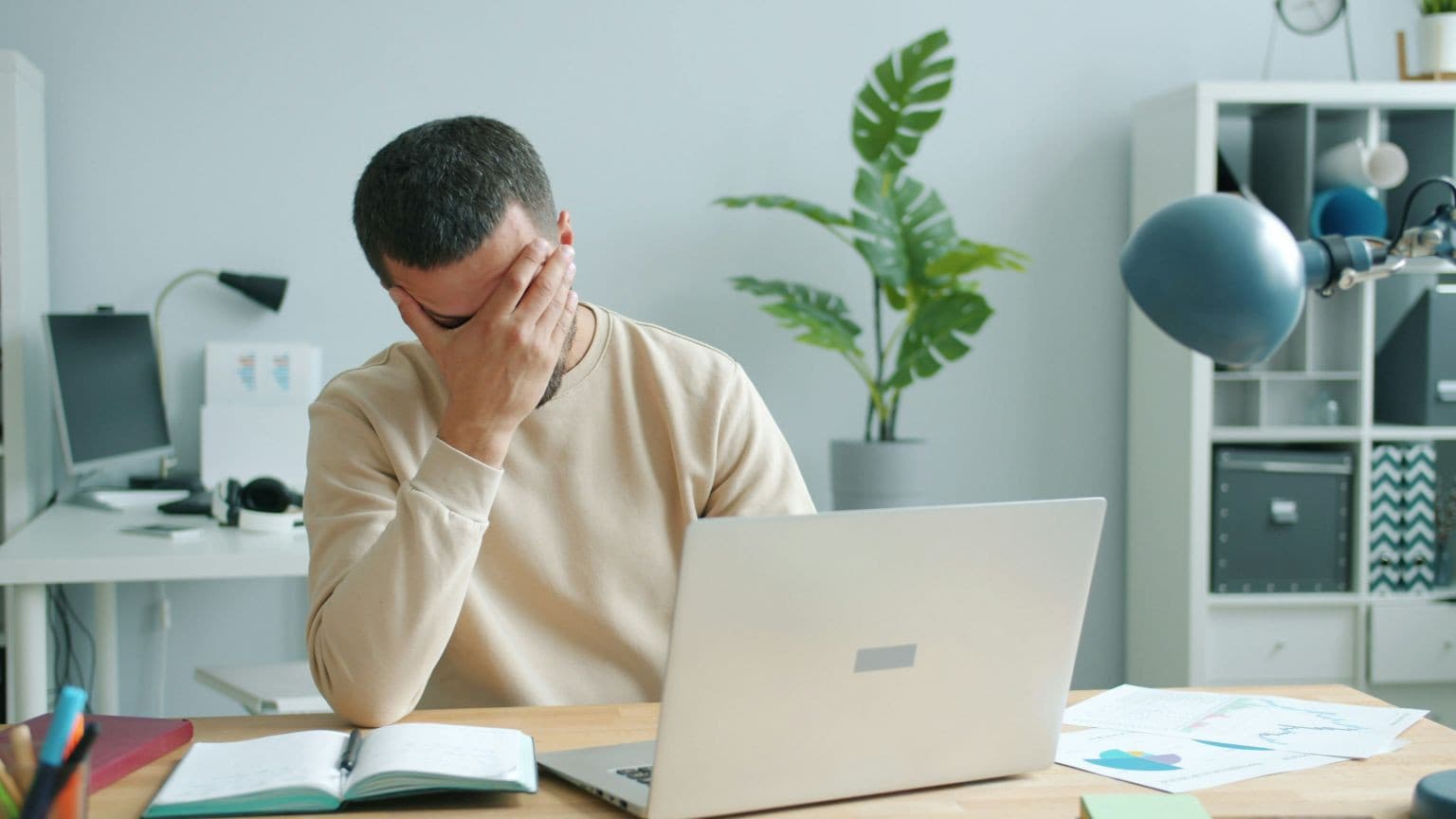
Image Vitaly Gariev via Unsplash.
In addition to this, caffeine triggers the release of adrenaline and cortisol. These hormones prepare your body in case you need to fight someone or run away from a bear.2 Adrenaline makes your body release glycogen, sugar that’s stored in the liver or muscles.
Since many people drink coffee or energy drinks while sitting at their desk rather than prior to a wrestling match or bear attack, their body doesn’t need these stress hormones and instead has to find a way to deal with them. This can cause anxiety, irritability, increased heart rate, or high blood pressure, and further heightens the exhaustion you experience once caffeine wears off. This puts a strain on your body. To put it simply, using caffeine comes with a cost to your health.
To cope with the blood sugar spike that adrenaline has triggered, your body releases insulin, which brings your blood sugar levels down and causes additional feelings of fatigue and tiredness. At this point, many people have another cup of coffee, which starts this cycle all over again.
Your body was “wonderfully made” (Psalm 139), the Bible says, and the Creator has given us everything we need to nourish and sustain this incredible body. We were designed to operate on a balanced schedule or routine, but today’s constantly-connected society has created unrealistic expectations. The work and fun never stops, and we’ve come to rely on stimulants to live an unsustainable lifestyle. By practicing the 8 laws of health–drinking plenty of water, exercising, breathing oxygen-rich air, eating properly, sleeping enough, practicing moderation, and entrusting the difficulties of life to God, your body can create enough energy to sustain you throughout the day without depending on harmful stimulants.
Caffeine’s Popularity
Over 80% of North American adults are regular caffeine users. The average American consumes about 180mg of caffeine per day,3 and nearly 50% of Americans use caffeine multiple times per day.4 Your body rapidly absorbs caffeine 45 minutes after consumption, and its half-life is about 5 hours, although this can vary.5 Once caffeine reaches its half-life, the effects begin to wear off. Continuing to consume caffeinated products will prolong caffeine’s effects. This means that if you drink more than one caffeinated beverage within 5 hours, your body continues to be under the influence of caffeine.
Thanks to marketing, digital influencers, and peer influence, many children and adolescents consume or are addicted to caffeinated energy drinks. Many popular brands used by young people such as Monster and Red Bull contain high amounts of caffeine and other harmful ingredients. (Discover the danger of energy drinks in our article.) While caffeinated drinks are often marketed to and consumed by youth, no amount of caffeine is safe for children. Caffeine affects children’s development and negatively impacts their sleep. It only takes a little caffeine to negatively affect children’s smaller bodies, triggering unpleasant short and long-term side effects such as dehydration, heart problems, restlessness or irritability, and anxiety.6
Is Caffeine Safe for Pregnant or Nursing Mothers?
Caffeine can cross the placenta and is dangerous to unborn babies, negatively affecting growth and development, fetal heart rate, and weight at birth.7 Caffeine can cause birth defects and negatively impact the development of important brain pathways.8 Caffeine consumption during pregnancy may also increase risk of miscarriage. Caffeine consumption during pregnancy has adverse effects on brain development as well as increasing the susceptibility of developing diseases such as childhood leukemia later in life.9
Babies can also be exposed to caffeine through breast milk. Caffeine has an increased half-life when consumed by pregnant women,10 which increases the duration that the fetus is exposed to the effects of caffeine. It’s not safe for pregnant women to consume any amount of caffeine, as research has demonstrated many adverse effects on the health of babies whose mothers use caffeine.11
Maybe you’re not a regular coffee drinker, or you only have caffeinated drinks on occasion. Is caffeine hiding in places you don’t expect?
Source |
Amount of Caffeine (mg) |
| Coffee | Size varies |
| Approximate average | 100 (varies) |
| Average from ground beans | 66-80 |
| Automatic percolated | 75-140 |
| Filter drip | 110-180 |
| Instant regular | 60-90 |
| Instant decaffeinated | 2-6 |
| Starbucks cold brew coffee | 155-360 |
| Starbucks iced caffe latte | 75-225 |
| Starbucks cappuccino | 75-150 |
| Starbucks caramel frappuccino | 60-120 |
| Tea | Size varies |
| Weak (bag) | 20-45 |
| Strong (bag) | 79-110 |
| Starbuck matcha latte | 20-85 |
| Cola drinks | 335 ml or 12 oz |
| Regular cola | 36-46 |
| Diet cola | 39-50 |
| Cocoa products | Size varies |
| Chocolate milk (225 ml / 7.5 oz) | 8 |
| Hot cocoa from mix (178 ml / 6 oz) | 6-30 |
| Starbucks hot chocolate, kids size | 15 |
| Dark chocolate bar (56 g / 2 oz) | 24.4-45.4 |
| Milk chocolate bar (56 g/ 2 oz) | 14 |
| Baking chocolate (28 g / 1 oz) | 25-58 |
| Medications | 1 tablet/capsule |
| Cold remedies | 15-30 |
| Headache relievers | 30-32 |
| Weight control aids | 120-200 |
| Some diuretics | 40-100 |
Caffeine Side Effects
Because caffeine is a commonly-used substance that is a big part of everyday life, it’s easy to forget that it’s actually a drug.
A 19th century author who wrote extensively on health and wellbeing understood the effects of caffeine when she stated,
“Coffee is a hurtful indulgence. It temporarily excites the mind to unwonted action, but the after-effect is exhaustion, prostration, paralysis of the mental, moral, and physical powers. The mind becomes enervated, and unless through determined effort the habit is overcome, the activity of the brain is permanently lessened.”12
Science has only come to understand the truth of this statement in the last few decades. All drugs come with side effects, and caffeine is no exception. Even small doses of caffeine can trigger short and long-term side effects.

Image Jamie Street via Unsplash.
It’s possible to have or develop a caffeine sensitivity or allergy, but even healthy people can experience the negative side effects of caffeine use, including heart palpations, anxiety, restlessness, inability to fall asleep, headache, and upset stomach. Researchers have also found that caffeine can amplify your feelings of and response to stress.13
Long-term caffeine use puts a strain on your cardiovascular system and increases your risk of experiencing complications such as high blood pressure and heart attack.14 Caffeine use can make you more likely to experience gastroesophageal reflux (aka acid reflux)15 and can also increase your risk of anxiety, or make existing anxiety worse.
Additionally, as you age, your body begins to process caffeine differently so older folks are more likely to experience negative side effects from caffeine.16
The effects of caffeine can vary based on multiple factors, such as age, genetics, lifestyle, stress, and so on. Some people may use caffeine with little to no side effects while other people might experience serious and even fatal results from occasional use. When it comes to your health, it’s best to avoid things that are known to be harmful. It’s never a good idea to gamble on your health.
Caffeine Dependency & How to Be Free
Like many other drugs, your body can develop a tolerance to caffeine, meaning you’ll need to use bigger amounts to feel the same desired effects. Additionally, caffeine dependence could potentially alter your body’s adenosine receptors, meaning your body will create more adenosine, that heightens the negative effects felt when caffeine wears off.
The good news is that even if you’re addicted to caffeine, you can quit and start regaining your health. While it can be difficult, God has provided a way for you to be free (1 Cor 10:13).
While many people quit caffeine all at once, other people have found it easier to quit by gradually reducing the intensity and volume of caffeine they consume over time until they’re no longer using any. Caffeine withdrawal can vary by individual, so it’s important to be prepared to receive help if you need it during your recovery. Caffeine is a drug that alters your brain, and quitting a powerful stimulant can be difficult for many people. If at any time you experience adverse effects such as serious physical symptoms or suicidal ideation, seek professional help immediately.

Image A. L. via Unsplash.
Steps to Quitting
- Commit to quitting caffeine. Say out loud “I am going to quit using caffeine”. Often reiterate this to yourself. Ask God to bless your efforts and strengthen you in doing what’s best for your body.
- Be accountable. Find someone trustworthy to share your resolution with and tell them “I am quitting caffeine”. Seek support from people who love you and have your best interest in mind.
- In many cases, it’s preferable to gradually reduce caffeine intake. If you’re a coffee drinker, this could mean brewing your coffee with a mix of 75% regular coffee and 25% decaf or a coffee substitute like Teeccino, eventually working to 100% coffee substitute over a few weeks. If you drink tea, you could start by brewing your caffeinated tea for a shorter period of time, then brewing a mix of caffeinated and herbal tea, and eventually brewing only herbal tea.
- Be sure you follow each of the 8 laws of health to aid your recovery from caffeine addiction and help ease the symptoms of withdrawal. By drinking plenty of water, enjoying sunlight and fresh air each day, getting adequate rest, eating balanced meals, engaging in appropriate levels of physical activity daily, and trusting in the Creator to help you live a temperate lifestyle, you’ll feel energized without a drop of caffeine! Learn more about these incredible 8 laws here.
- Replace your rituals. Many of us enjoy the social aspect of coffee–meeting with friends for a drink and a chat, enjoying a cup of coffee with a few minutes of peace each morning alone or with our partner, or treating ourselves with a matcha latte after a tough week of work. Understanding the associations you have with coffee and what you can do instead can help lessen the discomfort or fear of giving up coffee. For example, swap your morning coffee for a herbal substitute like Caflib or Teechino, or even warm water with lemon and honey. If you like to go out for coffee with friends, suggest meeting for an alternative activity that will still allow you to visit without the temptation of having caffeine, such as a nature walk, getting lunch together, or going to a local farmer’s market. If you enjoy caffeine as a form of reward, find other ways to reward yourself, such as a pool day, massage, or simply saving the money you’d normally spend for a bigger future splurge.
Even if you’re addicted to caffeine, it’s never too late to quit. If you’ve tried to quit before but have been unsuccessful, don’t be discouraged. Keep trying until you’ve gained the victory (Matthew 19:26).
Caffeine is a drug that has the potential to cause harm. It’s possible to live a good quality of life and be energized, have improved sleep, and feel better each day without the use of caffeine.





These statements have not been evaluated by the Food and Drug Administration or Health Canada. Our articles, videos and products are not intended to diagnose, treat, cure, or prevent any disease. If you are pregnant, nursing, taking medication, or have a medical condition, consult your physician before following any recommendations or using any product on our site. You assume sole responsibility for your personal health, and you must use your own discretion under doctor consultation to determine whether any product or recommendation on this site is suitable for your personal situation.
© 1993-2026 Amazing Health™
Amazing Health™ is a registered trademark of Amazing Discoveries Ministries