
Gut Microbiome: The Hidden World Within
Article by:
Irena Kekic |
14 min read


There is a complex community of tiny organisms in your gut that shapes your health, mood, and energy. The gut microbiome is made up of trillions of bacteria, fungi, and other microbes and plays a powerful role in digestion, immunity, and overall well-being.
Each person’s gut microbiome—shaped by their diet, lifestyle, and environment—typically contains around 160 different bacterial species. When this internal ecosystem is balanced, your body runs more efficiently and resists disease more effectively. But when it's disrupted, the effects can ripple through nearly every organ, making you feel either vibrant or sluggish. As can be expected, the microbiome plays a role in ADHD and autism.
Let’s take a closer look at this extraordinary system.
Your Gut, Your Second Brain
Ever had "butterflies" in your stomach before a big event? Or sensed a "gut feeling" about something important? That’s not just a metaphor—it’s a real, biological response from your gut, relayed along the gut’s neural network, or enteric nervous system (ENS). This vast network of over 100 million neurons lining your digestive tract operates like a second brain and is capable of functioning independently from the brain in your skull.
Your gut and brain are constantly in conversation through the gut-brain axis, a two-way communication highway that links your digestive system to your central nervous system. This connection is facilitated by the vagus nerve, one of the longest nerves in your body, which sends signals between your gut and brain almost instantaneously.1
The gut microbiome plays the following roles:
- Mood & Mental Health: About 90% of serotonin, the "feel-good" neurotransmitter responsible for happiness and emotional regulation, is actually produced in your gut—not your brain!1 This explains why gut health is directly tied to mood, and why imbalances in gut bacteria have been linked to anxiety, depression, and even neurodegenerative diseases like Parkinson’s.
- Immune System Strength – The gut is constantly exposed to bacteria, viruses, and toxins, so it needs a strong defense system. Around 70% of your immune cells reside in the gut, making it your body’s first line of defense against illness. In addition, beneficial bacteria in the gut also help fight off harmful invaders.
- Decision-Making & Intuition –The sensations you experience in your stomach during stress or intuition come from the enteric nervous system (ENS), which can process information on its own—affecting your emotions, decisions, and overall mood.
- Weight Management: Studies have shown that the gut microbiome affects weight by influencing digestion, metabolism, and appetite.2 Certain bacteria (Firmicutes) extract more calories from food, leading to weight gain, while others (Bacteroidetes) are linked to leanness. An imbalanced microbiome in which harmful microbes dominate—caused by poor diet, antibiotics, or low fiber—can increase cravings and disrupt metabolism, leading to weight gain. Maintaining a diverse microbiome with fiber-rich foods and probiotics supports better weight control.
What Disrupts the Gut Microbiome?
Modern life throws a lot at our guts—stress, antibiotics, processed foods, and poor sleep are just a few of the enemies that disrupt the gut microbiome. Let’s break down the most common gut disruptors:
1. Antibiotics and Overuse of Medications
In her video, Gastro Health, health educator Barbara O’Neill acknowledges that antibiotics can be necessary in certain cases, but she strongly emphasizes the damage they do to gut health. She compares taking an antibiotic to “dropping an atomic bomb in the gut,” because antibiotics wipe out both bad and good bacteria, leaving the gut flora severely compromised. Even a short course can knock your microbiome off track, reducing diversity and leaving you more vulnerable to bloating, diarrhea, and infections like Clostridioides difficile. Over time, repeated use can contribute to long-term gut imbalances, known as dysbiosis, which is linked to chronic inflammation and disease. Pregnant women need to be especially mindful, as disturbances in the mother's microbiome can directly influence the developing baby’s health.
But antibiotics aren’t the only culprits.3 A wide range of everyday medications—including antacids, NSAIDs (non-steroidal anti-inflammatory drugs) like ibuprofen, antidepressants, and hormonal contraceptives—can also mess with your microbiome. These drugs may alter gut pH, damage the intestinal lining, or suppress populations of beneficial bacteria. Unfortunately, these effects often fly under the radar, because conventional healthcare tends to treat symptoms in isolation, not as part of a bigger picture.
2. Processed Foods, Alcohol And Sugar
Diet plays a crucial role in your gut health. A diet high in processed foods feeds the wrong kinds of bacteria. Additives like emulsifiers and preservatives have been shown to damage the gut lining and contribute to inflammation as well. Processed foods are also typically low in fiber, which starves your beneficial microbes. Over time, this can disrupt the balance of the gut's microflora and increase intestinal permeability (leaky gut), contributing to chronic inflammation and worsening a range of metabolic issues—including fat accumulation, insulin resistance, high blood sugar, and abnormal cholesterol levels.4
Consuming alcohol can also damage the gut lining, and reduce the population of good bacteria.5

3. Chronic Stress
Chronic stress doesn’t just affect your mood; it can actually alter the composition of your gut microbiome, increase inflammation, and weaken the gut lining. It may also disrupt normal digestion, leading to symptoms like bloating, cramping, and even conditions like irritable bowel syndrome (IBS). Elevated cortisol (your main stress hormone) also suppresses the growth of beneficial gut bacteria.
What can you do to lower stress and protect your gut? Prayer or quiet spiritual reflection can calm the mind and ease emotional tension. Journaling helps process thoughts and emotions, taking pressure off your nervous system. Nature walks and regular exercise can help regulate cortisol and support gut motility. Combining these practices regularly can create a sense of calm, create a healthier mindset and balance your gut and brain. For more helpful tips, watch How to Stop Worrying.
4. Poor Sleep
Why is sleep so important? Your gut microbes follow a daily rhythm just like you do. When your sleep is irregular or insufficient, your microbial balance can shift. This can reduce the number of beneficial bacteria and increase inflammatory ones, contributing to everything from digestive problems to weakened immunity.6
5. Environmental Toxins & Pesticides
Pesticides like glyphosate (commonly used in conventional farming) and other environmental chemicals can disrupt gut bacteria and weaken the gut barrier. These toxins may kill off helpful bacteria or create an environment where harmful strains thrive.7 Glyphosate has been linked to increased intestinal permeability, in which the lining of the gut becomes weakened, allowing toxins, undigested food particles, and microbes to pass into the bloodstream. This can trigger inflammation and immune reactions, and is thought to play a role in autoimmune conditions like celiac disease.8
Choosing organic food when possible, using a water filter at home, avoiding processed foods with chemical additives are simple steps that can help protect your gut from environmental stressors.
6. Birth by C-Section & Formula Feeding
Gut health begins at birth. During vaginal delivery, babies receive their first dose of beneficial bacteria from the mother’s birth canal—giving their gut microbiome and immune system a strong start. Babies born via C-section, however, miss this natural microbial transfer and are instead colonized by hospital-associated bacteria like Enterococcus and Klebsiella, which may not offer the same immune benefits.9
This early disruption in the gut microbiome has been linked to long-term health risks, including asthma, allergies, obesity, diabetes (types 1 and 2), ADHD, and even autism spectrum disorder (ASD). These microbial imbalances may trigger inflammation and affect brain function by interfering with neurotransmitter pathways. Antibiotics often given during C-sections can further disturb the gut microbiota, making the problem worse.
Even babies born vaginally aren’t guaranteed a healthy gut start. If the mother’s microbiome is imbalanced, that can be passed to the baby—potentially raising the risk of conditions like ADHD or ASD, regardless of the delivery method.

The good news? There’s growing evidence that targeted probiotic supplementation can help. Studies show that when children with ADHD were given specific probiotics, like Lactobacillus acidophilus, they experienced improvements in gut health, behavior, and cognitive function.10 In children with ASD, probiotics have also helped reduce digestive discomfort and support better social interaction. Feeding also plays a key role. Breast milk is rich in prebiotics and beneficial microbes that shape a baby’s gut and immune health. Breastfeeding is the most effective way to nourish and restore a baby’s gut microbiome—especially for those born by C-section.11
While formula-fed babies may not get the same boost, parents can still offer support through infant probiotics, skin-to-skin bonding, and introducing gut-friendly foods during infancy.
Why a Plant-Based Diet Wins for Gut Health
You can support a healthy gut microbiome by choosing a plant-based diet which provides a powerful combination of prebiotics (fiber that feeds good bacteria), probiotics (live beneficial bacteria), and polyphenols (natural plant compounds with antioxidant effects). Together, they help create a thriving and balanced gut ecosystem.
Include the following elements in your diet:
Fiber
We only get dietary fiber from plant foods. Fruits, vegetables, legumes (beans and lentils), nuts, seeds, and whole grains provide all the dietary fiber our bodies need. Fiber is an indigestible carbohydrate, but it plays a vital role in gut health by serving as fuel for beneficial gut bacteria. When these microbes digest fiber in the colon, they produce short-chain fatty acids (SCFAs), which:
- Strengthen the gut barrier,
- Reduce inflammation, and
- Support immune function.
A fiber-rich diet helps build a diverse, balanced microbiome—key to a healthier gut and a stronger body overall.
Prebiotic fiber-rich foods:
- Garlic: Contains inulin, a type of prebiotic fiber that nourishes beneficial bacteria.
- Onions: Also a good source of inulin.
- Leeks: Another member of the onion family rich in prebiotics.
- Asparagus: Contains fructooligosaccharides (FOS), another type of prebiotic.
- Bananas: Especially unripe bananas, are good sources of resistant starch, a type of prebiotic fiber.
- Jerusalem artichokes: These tubers are packed with inulin.
- Jicama: This root vegetable contains fructooligosaccharides (FOS).
- Whole grains: Such as oats, barley, and brown rice, are rich in fiber that feeds beneficial bacteria.
Polyphenols
Plant-based foods are rich in polyphenols which promote the growth of beneficial bacteria while inhibiting harmful ones, contributing to a healthier gut environment.
Berries, garlic, onions, and oats are especially rich in polyphenols. Together with prebiotic fiber, polyphenols support overall health.12
Cultured Foods
In the video "Are Fermented or Cultured Foods Good for Us?" health educator Barbara O'Neill highlights the benefits of cultured foods for gut health. Cultured foods release B vitamins and beneficial Lactobacillus bacteria—key players in a healthy microbiome. Plant-based yogurt and kefir, sauerkraut, kimchi, and miso are examples of cultured foods. Adding these live, probiotic-rich foods to your diet is a simple, effective way to boost microbial diversity and strengthen your gut from the inside out. Why not give it a try—maybe even bake your own sourdough?
Gut Microbiome Research: A Case Analysis
Not surprisingly, a study found that compared with vegetarians and omnivores, vegans had the healthiest microbiome.13 Their gut flora contained a higher abundance of short-chain fatty acid-producing bacteria, which are known to reduce inflammation, enhance nutrient absorption, and improve overall gut function.14
The study revealed that higher fiber intake—a hallmark of vegan diets—supports the growth of bacteria that break down complex carbohydrates into essential compounds that fuel gut health. Additionally, vegan participants had lower levels of the potentially harmful bacteria that are associated with processed foods and animal-based diets Harmful bacteria in the microbiome have been linked to inflammation, metabolic disorders, and digestive issues.
This research highlights how eating more plant-based foods naturally cultivates a healthier internal ecosystem—one that supports better digestion, a stronger immune system, and long-term wellness.
Fasting, Detox & Gut Reset: A New Beginning
Whether you're aiming for a seasonal gut reset or building long-term habits, fasting and gentle detoxing can give your gut the break it needs to heal and rebalance. Some methods work best daily, others occasionally—each offering unique benefits for a stronger, healthier digestive system. Here are some options:
- Plant-Based Fast: A 7-day reset centered around whole, unprocessed plant foods can be surprisingly transformative—especially if your usual diet leans heavily on meat or processed ingredients. In just a week, many notice improved digestion, more regular bowel movements, reduced bloating, and enhanced mental clarity. It’s a gentle yet powerful way to nourish the gut, lower inflammation, and experience how deeply food influences your overall well-being.
- Meal Spacing is one of the most sustainable, long-term strategies for better overall health. It aligns with your body’s natural rhythms, giving your digestive system regular windows of rest. A several-hour pause from constant eating allows your gut lining to repair, reduces inflammation, and encourages the growth of beneficial bacteria. Over time, this habit can enhance metabolic health, support gut resilience, and promote longevity.15
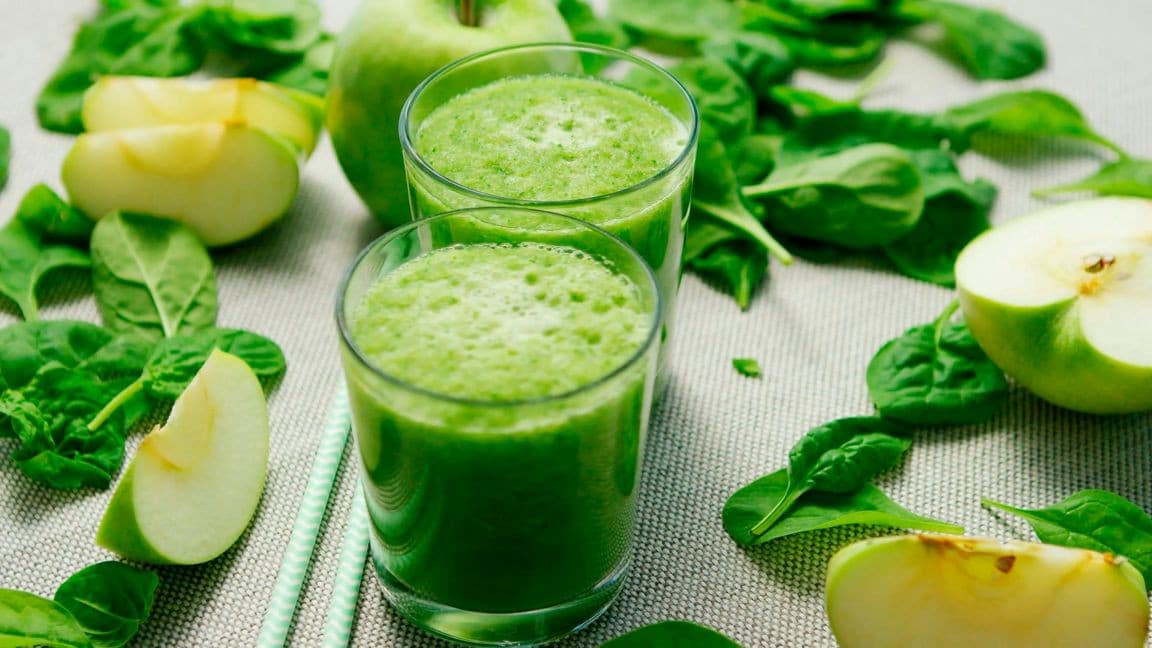
- Juice fasting floods the body with easily absorbed nutrients while giving the gut a chance to rest from heavy digestion. For more inspiration on this topic, check out our complete guide on a 5-day fruit and veggie cleanse.
- Water fasting may be practiced occasionally under proper guidance. With our super-charged 3-day cleanse it will deeply rest the digestive system and may trigger autophagy—a cellular cleanup process that supports gut repair and overall health. If you want to go lighter check out the one-day-a week water fast here.
Trust Your Gut
A healthy gut microbiome is the foundation for your energy, mood, immunity, and long-term health. From the food you eat, to the way you manage stress, sleep, and even how often you eat—it all impacts the trillions of microbes working behind the scenes to keep you thriving.
Simple shifts—like trying a 7-day plant-based reset, cutting back on processed foods, spacing meals 5 hours apart, and being more mindful of your daily habits—can add up to powerful, lasting change.
Your gut is incredibly resilient. With the right support, it can heal, reset, and return to balance. Give your gut the love it truly deserves by adopting nature's timeless principles, today!



These statements have not been evaluated by the Food and Drug Administration or Health Canada. Our articles, videos and products are not intended to diagnose, treat, cure, or prevent any disease. If you are pregnant, nursing, taking medication, or have a medical condition, consult your physician before following any recommendations or using any product on our site. You assume sole responsibility for your personal health, and you must use your own discretion under doctor consultation to determine whether any product or recommendation on this site is suitable for your personal situation.
© 1993-2026 Amazing Health™
Amazing Health™ is a registered trademark of Amazing Discoveries Ministries