
The Hidden Dangers of Energy Drinks and How to Quit!
Article by:
Emily Burak |
12 min read


The term energy drink is somewhat misleading. While you might think that an energy drink creates energy in your body, what actually makes you feel energized or alert is a combination of effects triggered by the consumption of caffeine and sugar.
What is Caffeine?
Caffeine is a drug. Caffeine works by stimulating the central nervous system to create feelings of wakefulness, while preventing the brain from getting adenosine. Adenosine is a neurotransmitter that sends your brain the message that your body is tired and wants to rest. It doesn’t actually create energy or get rid of fatigue. Instead, it keeps you alert by keeping you from experiencing feelings of tiredness. This means that while caffeine prevents the brain from receiving adenosine, the adenosine continues to accumulate as you engage in activity.
Caffeine affects people differently based on age, gender, weight, ethnicity, and medical status. Generally, caffeine has a half-life of five hours, which means that after this amount of time has passed, the stimulating effects start to wear off and you’ll likely begin to feel tired. As the caffeine wears off, your brain starts to receive adenosine again. If you’ve been busy and accumulated lots of adenosine, you will likely feel overwhelming fatigue and exhaustion as your brain receives a sudden flood of messages telling it that your body is tired. Because caffeine prevents your body from receiving the messages over time, experiencing them all at once creates a heightened unpleasant effect.
To learn more about caffeine, check out our article here.
Sugar- Not So Sweet
Many energy drinks contain high amounts of sugar, some with 10-15 teaspoons of sugar per serving.1 When you consume a large amount of refined sugar, some of the sugar enters your bloodstream. Drinking a sugary drink in a short period of time will raise blood sugar levels quickly. While this can make you feel energized, your body doesn’t want high blood sugar levels and responds by releasing insulin to try and deal with the sugar. The more sugar you consume, the more insulin is released, rapidly decreasing the level of sugar in your blood, which might make you feel uncomfortable, fatigued, or even jittery or dizzy.2
What about drinks that are sugar-free? Are these safer to consume?
Artificial sweeteners are often promoted as a better alternative to drinks sweetened with refined sugar. Artificial sweeteners have few or no calories and generally don’t increase blood sugar. However, research is finding that artificial sweeteners may actually trigger release of insulin anyway3 or be an instrumental factor in the development of insulin resistance.4
Artificial sweeteners have long-term adverse health implications, increasing your risk of developing cardiovascular disease,5 cerebrovascular disease (disorders that impact or affect blood flow to the brain),6 gastrointestinal disorders,7 and possibly cancer.8 Artificial sweeteners are also a contributing factor to weight gain, even though they are generally marketed towards people looking to lose or maintain weight.
Effects of Energy Drinks on Your Health
Short term effects of energy drinks vary, and even one serving can negatively impact your health. Just because you feel okay today doesn’t mean that you aren’t damaging your body. Harmful substances that have the capacity to negatively affect the major systems of your body–your heart and circulation, your brain, and your digestive system–are poisons that should not be consumed, no matter how normalized their use is today. It’s not safe to take risks when it comes to your health.
Let’s look at the possible short and long-term side effects of energy drinks.
Because it’s a drug, caffeine can trigger a host of side effects. These include, but are not limited to:
- Anxiety
- Heart palpations
- Heart arrhythmia (heart beating irregularly, too fast, or too slow)
- Jitters, agitation, irritability
- Headache
- High blood pressure
- Upset stomach
- Insomnia
Caffeine affects everyone differently. In some people these effects will be more noticeable, while many people won’t feel them at all even though they are still occurring within the body. Long-term effects of regular caffeine consumption burdens your cardiovascular system, making you more likely to suffer from high blood pressure or experience a heart attack,10 and aggravate gastrointestinal symptoms or disorders like acid reflux11 and IBS.12
Sugar is a harmful substance that has negative health implications in both the short and long-term. Sugar is associated with increased inflammation,13 negatively impairs cognitive function,14 and even affects cardiovascular health,15 among many other things.
Impact of Energy Drinks on Youth
Particularly concerning is the growing consumption of energy drinks by children and youth. In addition to social media and influencers making these products seem appealing, young people are often targeted by advertising of energy drinks, through digital media and booths or sponsors at in-person events.16 Energy drinks are promoted as performance-enhancing for sports and esports and are often associated with exciting, extreme activities such as urban and downhill mountain biking, parkour, stunts, and more. Since children and youth are impressionable, they’re more susceptible to be influenced by things they perceive as being desirable.

Image Anthony A., via Unsplash.
Because children are smaller than adults and their bodies are not fully developed, they are more susceptible to feeling the effects of caffeine, even at low doses.17 Caffeine has a significant effect on young people, with the capacity to trigger a variety of side effects ranging in severity from unpleasant to deadly.18 While many adverse events go unreported, the consumption of energy drinks by youth has led to an increase in emergency room visits.19 Some recorded side effects include:
- Headache
- Anxiety
- Decreased mental health
- Poor performance at school
- Irritability/restlessness
- Increase in risk-taking activities
- Reduced and/or poor-quality sleep
- Nausea/vomiting
- Abnormal heart rate (too slow or too fast)
- Elevated blood pressure
- Increased risk of cardiac disorders or severe cardiac events
- Seizures
- Death
Caffeine use negatively impacts behavioural issues in children and young adults.20 It’s also more likely for children to become addicted to caffeine even when caffeine is consumed infrequently and/or at low amounts. Since caffeine has a pronounced negative effect upon sleep quality and duration, consumption can greatly affect children and adolescents. Because sleep is extremely crucial to developing brains and bodies, the detrimental effects that caffeine exerts on children can be far-reaching, negatively altering all aspects of their life, as well as setting them up for poor habits and health in adulthood.
Considering how highly addictive and harmful caffeine is to adults, should children and youth, who are still growing and developing, consume it at all? Is it ever acceptable to give any amount of poison to children?
If I Shouldn’t Be Using Caffeine, What’s the Solution?
You don’t need to rely on caffeine to live a happy, productive life. It’s possible to have enough energy to partake in the activities you enjoy without relying on harmful substances like caffeine. Your body was designed to work well and efficiently when given the foundational supports needed to sustain life. Here’s what your body is asking for:
- Good sleep - most people need 7-8 hours a night
- Fresh, oxygen-rich air
- Direct sunlight, obtained outdoors
- Plenty of water - adequate hydration is especially important for people who work strenuous jobs or are athletic
- A balanced routine
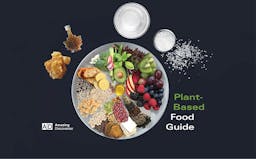
- Healthy diet made up of a rich variety of plant foods, including enough plant-based protein for your gender and body size
- Moderation in everything, even good things!
- Entrusting your stress, fear, and difficulties to the care of Someone greater and stronger than you
When you strive to maintain a balanced, healthy life, the Creator will bless your body with health and vigor.
How to Quit Using Energy Drinks
Maybe you or someone you know is addicted to energy drinks. You don’t have to be!
While some people have found success by quitting caffeine through complete cessation of all caffeine (cold turkey method), in most cases it’s safer and easier to gradually wean yourself off it until you are no longer using any at all. Caffeine withdrawal varies highly by individual, and because it’s a brain-altering drug, the effects of quitting can be difficult to endure. Don’t let this discourage you. Create a plan, ensuring you have adequate support, and persist until you are free. If at any time you experience adverse effects such as serious physical symptoms or suicidal ideation, seek professional help immediately.
Ready to start the next step of your journey? Try these steps.
- Decide to stop using energy drinks and commit to this resolution. Say aloud “I will stop consuming energy drinks.” Repeat this often. Ask the Creator for strength to continue doing what’s best for your amazing body.
- Find someone trustworthy to hold you accountable. This person must be compassionate, supportive, and have your best interest in mind. Tell them “I have stopped using energy drinks” and ask them to support you in your endeavour.
- Be sure to follow each of the 8 laws of health to aid you in your journey to freedom from caffeine.The 8 laws of health are powerful tools that will help you become stronger physically, mentally, and even spiritually. It’s not hard to implement these laws into your daily life. Ensure you’re drinking enough water, getting good sleep, breathing fresh air, participating in daily exercise (preferably outdoors in the sunshine), eating balanced plant-based meals, practicing temperance, and trusting in God Who sustains and gives us life and health. Many of these laws will also boost or increase your energy. Because water helps transport and transmit nutrients and signals through the body, when you’re adequately hydrated, you will feel more energized as your cells are able to function at peak capacity. Sleeping enough each night will help you feel refreshed, not just in the morning, but throughout the day, as your body is only able to perform certain functions such as cleaning and restorative work when you’re asleep. Nothing in the body was made by chance, and when we support the body’s intelligent design, we will experience optimal health. If you are adequately hydrated and have had a good night’s rest, a good workout can increase your energy by encouraging circulation, meaning oxygen and nutrients are transported to cells, giving them a boost. Regular exercise also strengthens your body, helping it perform tasks more efficiently, meaning you won’t need to use as many resources to perform daily functions and activities. Additionally, when you eat a balanced plant-based diet, including nutritious foods from each essential food group, your body can continue to manufacture enough energy to meet the demands of each day. Being deficient in even one area can impact your energy levels, so be sure you’re supplying your body with what it needs to perform daily functions.
- If you are not quitting caffeine cold turkey, gradually reduce the amount of energy drinks you consume. If you normally drink 2 a day, start by having only one. If you only have one to begin with, don’t drink the whole thing. If it’s an occasional treat, find something else to enjoy instead, such as unsweetened fruit juice, iced caffeine-free tea, or carbonated water.
- Swap caffeinated beverages such as energy drinks with something better that will nourish and fuel your body. Water is the best beverage for rehydration. For even more benefits, drink water along with a crystal or two of pure Celtic sea salt. This helps rebalance your body’s electrolytes and minerals, and further enhances water’s energy-boosting abilities. You can also make your own healthier soda-style drinks at home. Check out our favourite recipes here. If you’re someone who regularly engages in intense physical activity or sports, work with a trainer or licensed healthcare professional to determine how best to meet your body’s needs.
You don’t have to remain dependent on harmful substances like caffeine. If at any time you fall back into your unhealthy habits, stay strong and keep trying. Don’t give up until you’ve succeeded!
By eliminating unnecessary, health-destroying substances like caffeine and processed sugar from your lifestyle, you will feel satisfaction as you experience better health. Following the 8 laws of health will help your body and mind perform well at work and recreational activities. Experience the benefits yourself!







These statements have not been evaluated by the Food and Drug Administration or Health Canada. Our articles, videos and products are not intended to diagnose, treat, cure, or prevent any disease. If you are pregnant, nursing, taking medication, or have a medical condition, consult your physician before following any recommendations or using any product on our site. You assume sole responsibility for your personal health, and you must use your own discretion under doctor consultation to determine whether any product or recommendation on this site is suitable for your personal situation.
© 1993-2026 Amazing Health™
Amazing Health™ is a registered trademark of Amazing Discoveries Ministries